A leak
Trace the likely entry route and examine nearby flashing, penetrations and roof layers. The repair must address the opening, not only the place where water becomes visible.
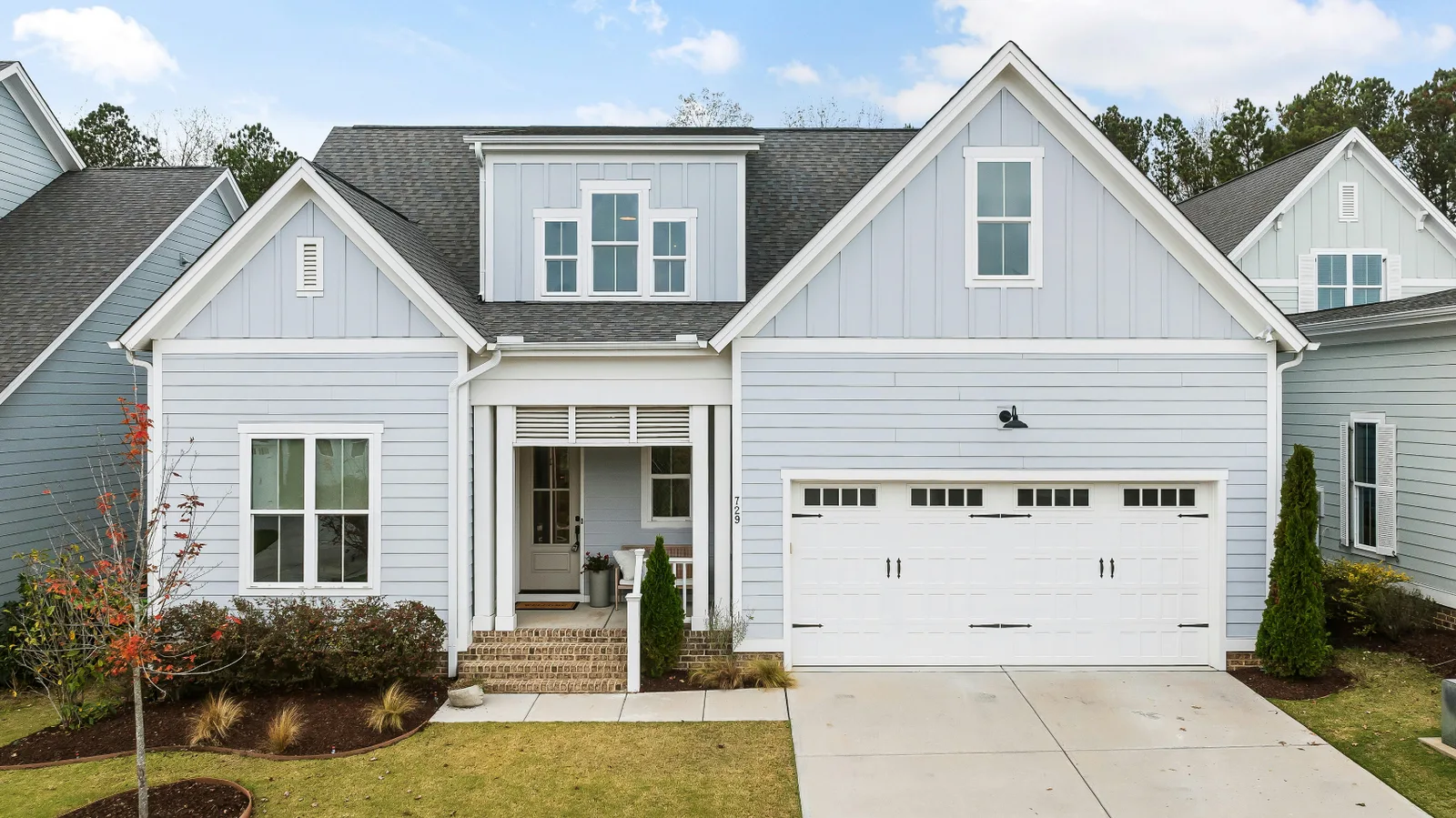
A leak, loose shingle or planned replacement is a good reason to have the roof examined. Request a free roof inspection in Anna and get a clearer picture of what needs attention.
Some roof concerns are easy to describe: a missing shingle, water after rain or a patch that keeps leaking. Others begin with a question about the whole roof. An inspection gives that conversation something more useful than a guess from the driveway.
We examine the covering and the places where water has to change direction or pass an opening. That includes edges, valleys, flashing, pipe boots and visible ventilation details. A roof walk is part of the approach when the surface, weather and access allow it.
The inspection helps explain what needs attention, which roofing remains useful and what the next work would involve.
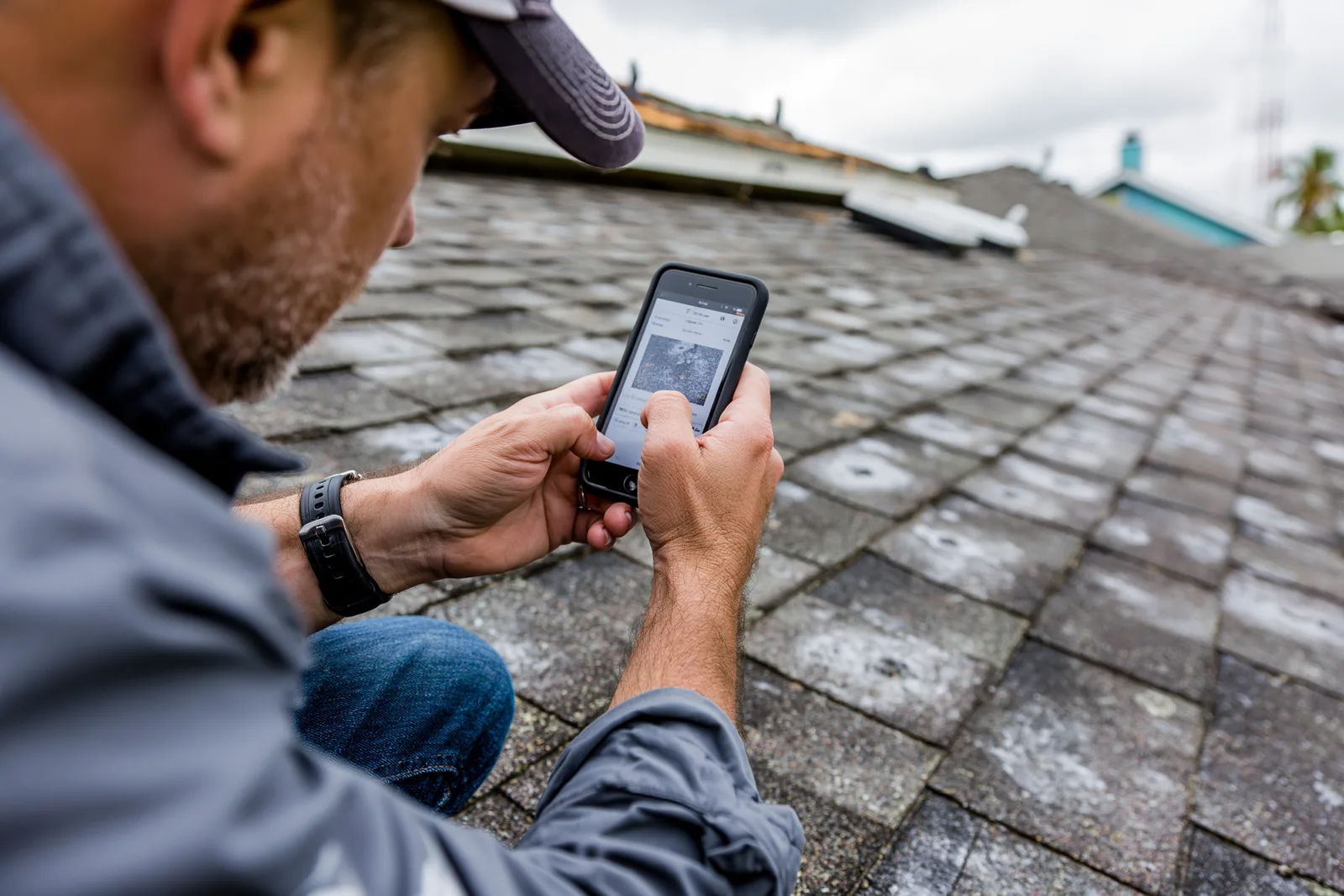
The shingle field is only one part of the roof. We look for missing or damaged material, failed seals and wear, then examine the intersections where roofing meets a wall, pipe or other feature. A small failure at one of those details can let water enter a much larger-looking area indoors.
Leak history helps direct that examination. Water that appears near a ceiling fixture may have traveled along framing first; the mark inside does not necessarily sit beneath the roof opening. Tell us when you notice it and which room is affected. You do not need to climb onto the roof to find the source.
Distinguish the damaged surface or connection from ordinary variation in the covering.
Consider whether neighboring materials are sound enough to connect a repair to them.
Identify where hidden layers or inaccessible details may change the work once opened.
The reason for the inspection changes where the examination starts. It does not replace a look at the connected roof around the concern.
Trace the likely entry route and examine nearby flashing, penetrations and roof layers. The repair must address the opening, not only the place where water becomes visible.
Look for displaced, creased or impacted roofing and assess what those findings mean for the material. Damage to another object nearby does not, by itself, establish roof damage.
Examine deterioration, past repairs, roof geometry and the details that a new system would need. Discuss which conditions can be assessed now and which require tear-off.
A sound-looking surface can cover damp or damaged decking. Underlayment overlaps and some flashing connections may be hidden beneath shingles or siding.
When work begins, removal can show whether the repair boundary needs to widen or whether decking must be replaced. That is why a clear scope allows for discovered conditions. If the concern appears to involve more than the roofing surface, the appropriate further assessment belongs in the plan.
We can discuss the practical next step after the inspection: a targeted repair, replacement planning or watching an area that is not currently showing a defect.
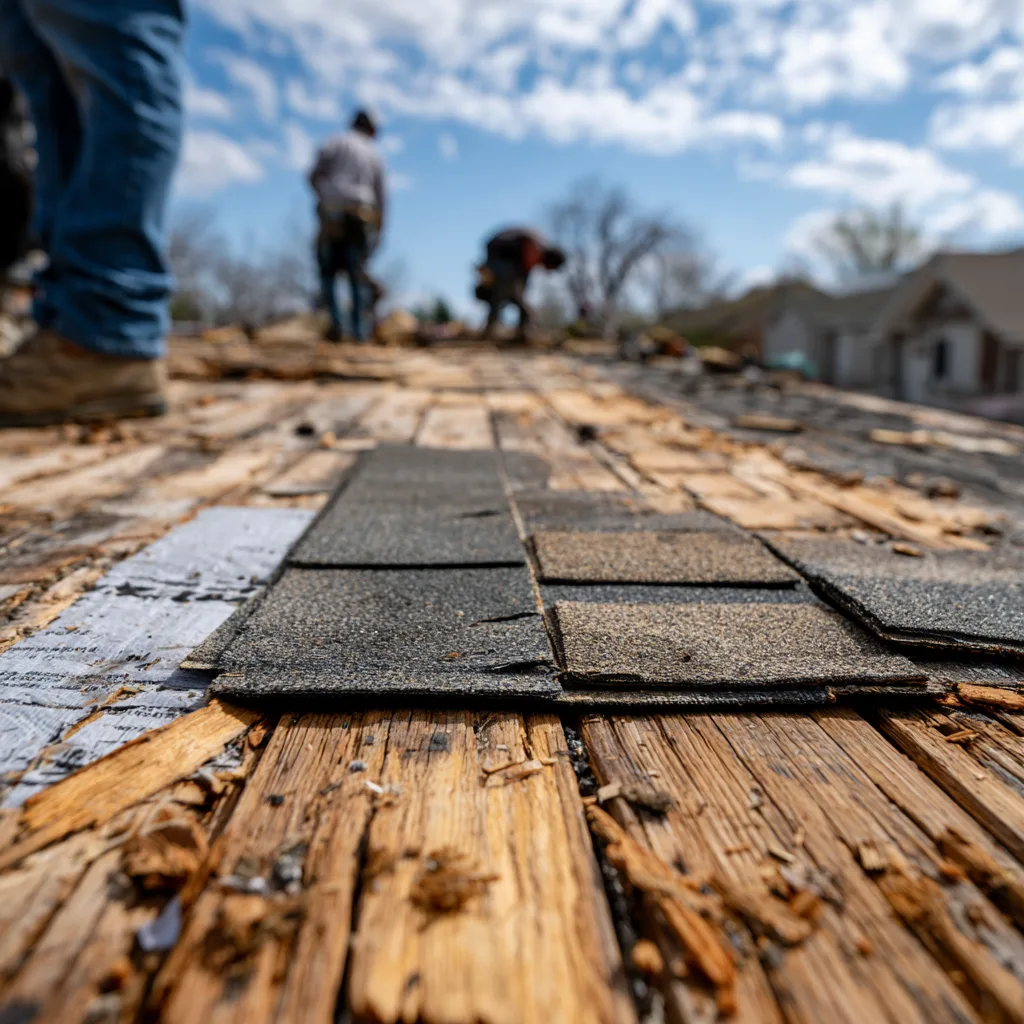
Yes. We offer free roof inspections, including a roof walk when the surface, weather and access allow it. Tell us the property location and the concern when you request one.
No. Describe what you have seen from the ground or inside the building. Leave roof access to the inspection; weather, slope and roof condition can make climbing unsafe.
It can help explain the roof condition and the work needed. Your insurer determines coverage under the policy.
Start with the concern you already have. Tell us what you noticed and where the property is, and we can discuss a roof inspection.